
Pixie Cut: Best Styles, Types, and Hair Care Tips
A pixie cut is a short hairstyle that looks stylish, modern, and easy to manage. It usually features shorter hair around the back and sides, with slightly longer layers on top. This haircut suits many personal styles, from classic and elegant to bold and edgy. Some women prefer a soft, feminine look, while others choose a textured finish for extra volume. The best part is its versatility. With the right shape and styling, a pixie can complement different face shapes and hair textures. Understanding the available styles helps you choose a haircut that fits your lifestyle.
What Is a Pixie Cut?
A pixie cut is a short haircut designed to create shape and movement with carefully placed layers. The hair around the sides and back is usually cropped close, while the top may remain longer. This difference creates a distinctive shape without requiring long hair. Some versions look smooth and polished, while others have messy layers for a relaxed finish. The length can also vary depending on personal preference. A stylist can create a very short crop or leave extra length around the forehead and ears. These small changes make the haircut adaptable to different looks and styling needs.
One reason this hairstyle remains popular is its balance of simplicity and personality. Short hair often takes less time to wash and dry than longer hair, although styling needs depend on the cut and texture. A pixie can also highlight facial features, including the eyes, cheekbones, and jawline. However, it is not automatically maintenance-free. Some styles need regular trims to preserve their shape, while others require styling products to control flyaways. Before choosing this haircut, consider how much time you want to spend maintaining it. A clear conversation with your stylist can help you find a practical, flattering option. Read More : Danny Fujikawa
Best Pixie Cut Styles for Women
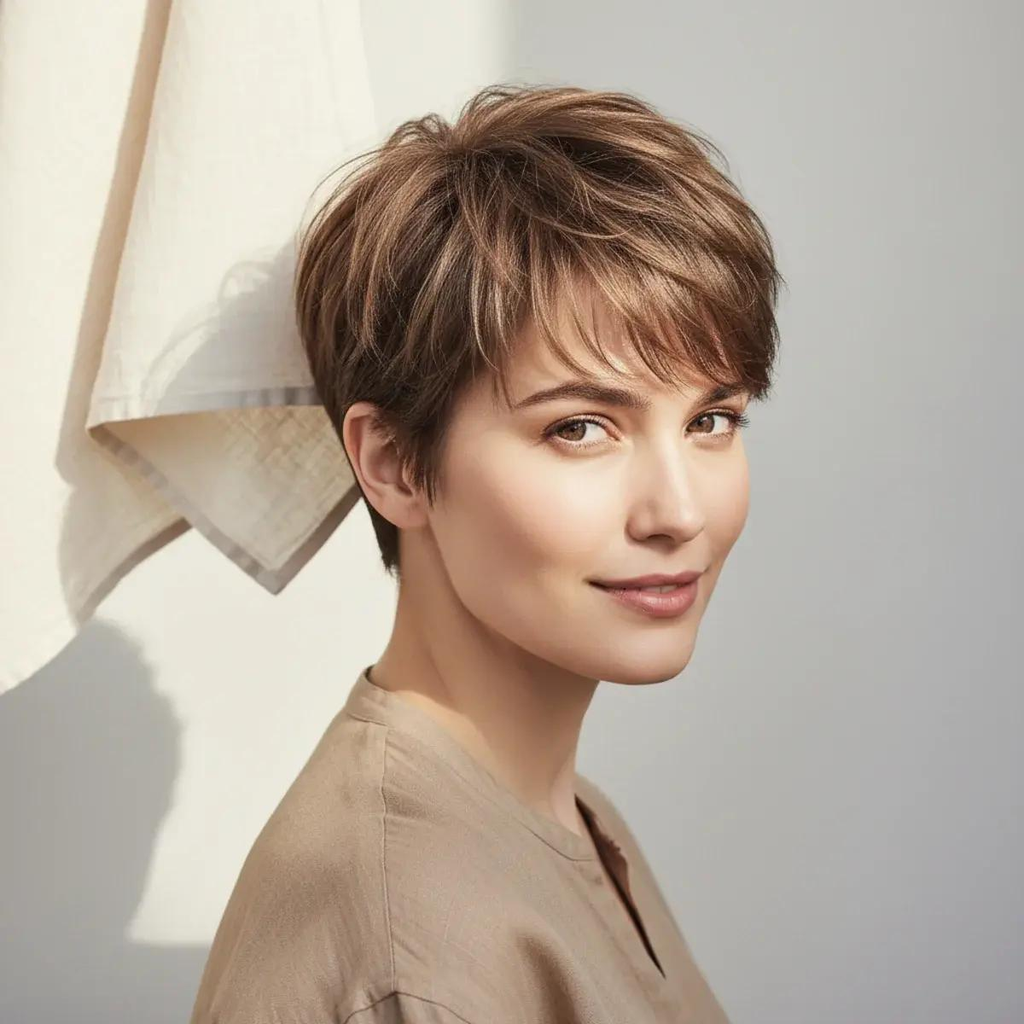
There are many pixie cut styles, making it easier to find one that matches your taste. A classic pixie has short sides and a neatly shaped top. A textured pixie uses uneven layers to create movement and a slightly messy finish. Meanwhile, a longer pixie leaves extra hair around the forehead, ears, or neckline. This additional length allows more styling choices without losing the short-hair appearance. You can also choose a side part for a softer shape or add a fringe for extra character. Looking at several examples before your appointment can help you explain exactly what you want.


Your preferred style should depend on your natural hair texture, daily routine, and comfort with short hair. For example, someone who enjoys a polished appearance may prefer a smooth pixie with defined edges. Someone who likes casual styling might choose a choppy cut that looks good with minimal effort. You can also personalize the haircut with a side-swept fringe, subtle highlights, or a tapered neckline. However, photographs should be treated as inspiration rather than exact promises. Hair density, growth patterns, and styling techniques affect the final result. Ask your stylist how a chosen look will work with your own hair.
Pixie Cut for Different Face Shapes
Choosing a pixie cut that complements your face shape can help create a balanced appearance. For a round face, a little height on top and some length around the forehead may add visual length. People with oval faces often have flexibility because many short styles work well with their proportions. A square face may suit softer layers or a side-swept fringe that reduces the appearance of sharp angles. For a heart-shaped face, additional length near the sides or a gentle fringe can create balance. These are general suggestions, not strict rules, because personal taste matters just as much.
Your face shape should guide the haircut without limiting your choices. Two people with similar facial proportions may prefer completely different styles because their hair textures and personal preferences vary. A skilled stylist can adjust the crown height, fringe, side length, and neckline to create the desired effect. If you are unsure, bring two or three reference photographs showing different angles. Discuss which features you want to highlight and which areas you prefer to soften. You can also explore our internal guide to hairstyles for different face shapes for more inspiration before making your final decision.
Pixie Cut for Fine, Thick, and Curly Hair
A pixie cut can work well with fine hair when the layers are shaped carefully. A shorter length may help fine strands appear fuller because there is less weight pulling them down. However, removing too much hair through excessive layering can make some fine hair look thinner. A stylist may recommend a compact shape with gentle texture instead. For thick hair, strategic layering can remove bulk and make styling easier. The goal is to create movement without making the haircut difficult to control. Your stylist should consider natural growth patterns, hair density, and how your hair behaves after washing.

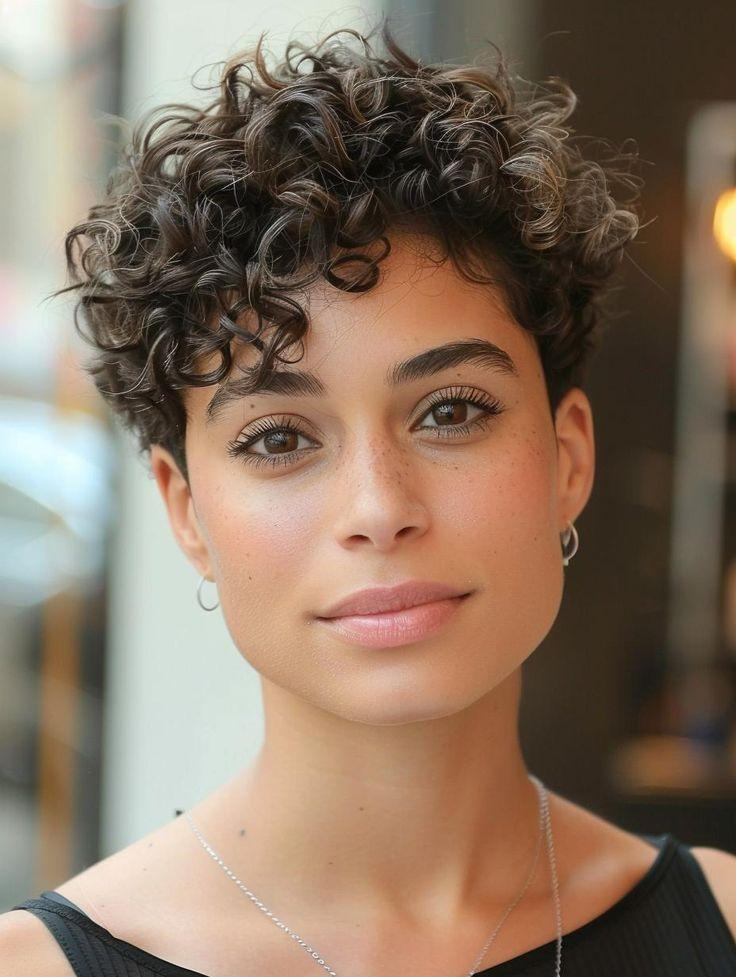
Curly and wavy hair can also look beautiful in a pixie cut. Natural curls add volume, texture, and movement, while waves create a softer finish. However, curly hair may shrink as it dries, so the final length can appear shorter than expected. Ask your stylist to consider your curl pattern before cutting too much length. A suitable leave-in conditioner or lightweight styling cream can help define curls without making them heavy. If you have straight hair, a texturizing product may create a fuller appearance. The best approach is to choose a shape that works with your natural texture rather than fighting it every morning.
Short Pixie Cut vs. Long Pixie Cut
A short pixie cut creates a bold appearance with closely cropped sides and a shorter top. It can feel fresh, practical, and comfortable, especially for people who prefer minimal styling. However, very short hair offers fewer ways to change the look each day. It may also require frequent salon visits to maintain clean edges and balanced proportions. A longer pixie provides more flexibility because the extra length can be swept sideways, styled forward, or lifted at the crown. This option can be useful if you want short hair but still enjoy changing your part or creating different finishes.
The right length depends on your comfort level and styling habits. If you have never had short hair, a longer pixie can make the transition easier. You can shorten it gradually during later appointments if you want a bolder appearance. If you already enjoy cropped hairstyles, a shorter version may suit your routine better. Think about how the haircut will look when it grows out, too. Longer pixies may transition into a bob more easily, depending on the shape, while very short styles can pass through uneven stages. Your stylist can suggest a plan for both maintenance and future length changes.
How to Style a Pixie Cut at Home
Styling a pixie cut does not have to be complicated. Start with clean, damp hair and apply a small amount of product suited to your texture. A lightweight mousse can add lift to fine hair, while a styling cream may help control thicker strands. Use your fingers or a small brush to guide the hair into place. If you want extra volume, lift the roots while blow-drying on a low or medium setting. Avoid using too much heat because short hair can still become dry or damaged. Finish by checking the shape from the front and sides.
Different finishes can change the entire appearance of a pixie. For a neat daytime look, smooth the top and arrange the fringe naturally. For a textured style, work a small amount of paste through the ends with your fingertips. A side-swept finish can look soft and elegant, while lifted roots create a more dramatic shape. People with curls may prefer a diffuser and a curl-friendly product. Start with a small amount of styling product, then add more only when needed. If you want more ideas, our internal guide to easy hairstyles for busy mornings can help you build a simple daily routine.
Pixie Cut Maintenance and Hair Care
A pixie cut usually needs regular trims because small changes in length can affect its overall shape. Many people schedule appointments every four to eight weeks, although the ideal timing depends on the style and how quickly their hair grows. Very short cuts may need more frequent attention, while longer versions can remain attractive for a little longer. Between appointments, use a shampoo and conditioner suited to your scalp and hair type. If your hair is colored, choose products designed to protect treated strands. Gentle care helps maintain softness, shine, and a healthy appearance without making your routine unnecessarily complicated.
Daily maintenance is usually straightforward, but the haircut still needs attention. Avoid applying heavy products directly to the roots if your hair becomes oily quickly. Use heat protectant before blow-drying, and limit excessive heat to reduce damage. If you color your hair, follow suitable aftercare instructions and discuss touch-up timing with your stylist. You should also consider how the cut will grow between appointments, especially around the ears and neckline. Regular brushing, gentle washing, and suitable styling products can help keep your hair manageable. A good haircut should fit your lifestyle rather than require a complicated routine every day.
Pixie Cut Ideas for Different Ages
A pixie cut can suit women of many ages because the shape can be adjusted to individual preferences. Younger women may enjoy choppy layers, bold colors, or an uneven fringe for a playful appearance. Others may prefer a classic style with clean lines and a polished finish. Women in their forties, fifties, and beyond can choose soft layers that add movement without requiring long styling sessions. Age alone should never determine which haircut someone chooses. Hair density, texture, face shape, and personal confidence are more useful factors when deciding whether a short hairstyle will feel comfortable.
For mature women, a pixie can offer an elegant alternative to longer hairstyles. A softly layered top may create natural movement, while a side fringe can add interest around the forehead. Gray, silver, or naturally white hair can also look striking in a well-shaped short cut. However, the most flattering choice is the one that suits the person’s preferences and daily routine. There is no single pixie style that works for everyone. Bring reference photographs to your appointment, discuss how much styling you prefer, and ask about maintenance. A personalized cut will usually be more satisfying than following a trend simply because it is popular.
Frequently Asked Questions About Pixie Cuts
1. Is a pixie cut easy to maintain?
A pixie cut can be easy to style daily because it uses less hair than longer cuts. However, short styles often need regular trims to maintain their shape. The amount of maintenance depends on the haircut, hair texture, and preferred finish.
2. Does a pixie cut suit every face shape?
Many face shapes can work with a pixie cut. The key is adjusting the fringe, layers, crown height, and side length to suit individual features. A stylist can recommend proportions that complement your face and natural hair texture.
3. Can a pixie cut make fine hair look thicker?
A carefully shaped pixie can help fine hair appear fuller by reducing excess weight. However, too many layers may make some hair look thinner. Ask your stylist for a shape that adds movement while preserving the appearance of density.
4. How often should I trim a pixie cut?
Many people trim a pixie every four to eight weeks. Very short styles may need more frequent appointments, while longer pixies can grow out more gradually. Your preferred shape and hair growth rate determine the best schedule.
5. Can I grow out a pixie cut easily?
Yes, but growing out a pixie takes patience because different sections grow at different rates. Regular shaping can help manage uneven stages. Your stylist can gradually adjust the haircut toward a bob or another longer style.
Conclusion
A pixie cut is a versatile hairstyle that combines a fresh appearance with practical styling options. From classic and elegant shapes to curly, textured, and longer versions, there are many ways to personalize this short haircut. The best choice depends on your hair texture, face shape, daily routine, and preferred level of maintenance. Before booking an appointment, save a few reference photographs and discuss your expectations with an experienced stylist. With the right cut and simple hair care, you can enjoy a style that feels comfortable and suits your personality. Explore more hairstyle guides to find your next look.
Pingback: Paige Lorenze: Biography, Career, Business, and Personal Life - Dot Mag